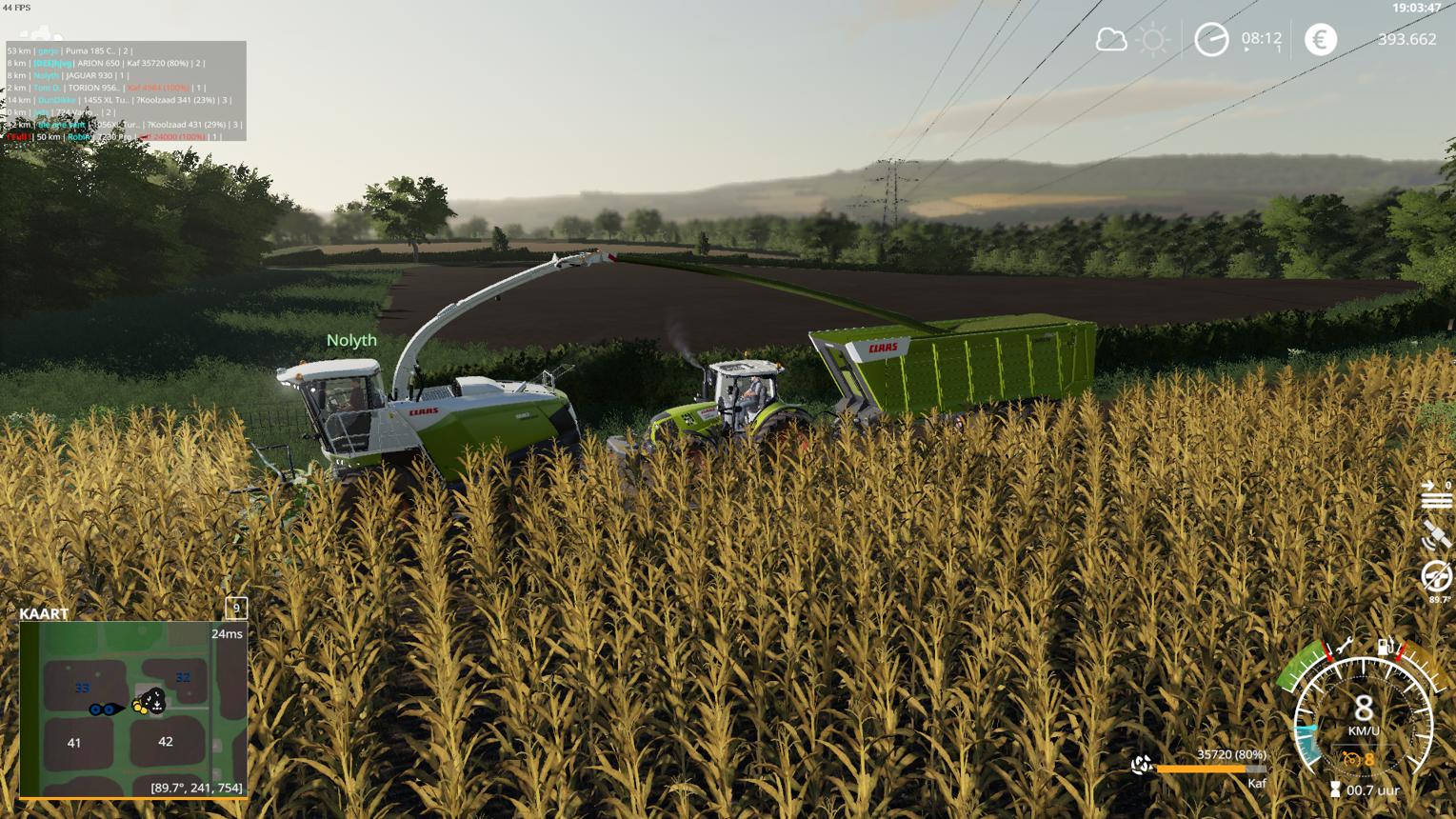
Silage production is one of the most useful ways to generate income in Farming Simulator 19. Unlike ordinary grain farming, producing silage requires players to manage harvesting, transportation, storage, and fermentation. When organized properly, this activity can become a valuable part of a profitable agricultural operation.
Corn is a popular choice for silage production because it can be harvested as chaff using specialized forage harvesting equipment. Players can then transport the material to a bunker silo, where it is compacted and fermented before being sold.
Understanding each stage of the process will help you avoid equipment downtime and improve your overall production efficiency.
Choose the Right Equipment for Silage Production
Before starting, make sure your farm has the machinery required for harvesting and transporting chaff.
Unlike ordinary combines, forage harvesters are designed to collect crops and turn them into chopped material.
Some essential equipment includes:
Forage Harvester: Used to harvest corn and produce chaff. The machine requires a compatible corn header.
Tractor: Needed to transport trailers and support field operations.
Trailer: Used to collect chaff from the forage harvester and transport it to storage.
Bunker Silo: Provides the storage area where chaff is compacted and fermented.
Wheel Loader or Front Loader: Useful for moving fermented silage and loading it for transportation.
For smaller farms, leasing expensive equipment can be a practical alternative to purchasing every machine immediately.
How to Harvest Corn and Produce Chaff
The first stage of silage production is preparing a cornfield.
Use a suitable planter to establish your crop, then manage weeds and fertilization while the plants grow. Once the corn reaches the appropriate harvesting stage, bring your forage harvester to the field.
Attach a compatible corn header and position a trailer alongside the harvester.
As the machine moves through the field, it cuts and processes the corn into chaff, which is discharged into the trailer.
To maintain a steady harvesting operation, consider using a second tractor and trailer to transport the collected material while the forage harvester continues working.
This reduces waiting time and prevents unnecessary interruptions during large harvesting sessions.
Fill and Compact the Bunker Silo
After collecting enough chaff, transport it to your bunker silo.
Drive into the storage area and unload the material evenly across the bunker floor. Avoid creating a single large pile in one corner, as an evenly distributed layer is easier to compact.
Once the bunker contains enough material, use a heavy tractor or suitable vehicle to drive over the chaff repeatedly.
Compaction is an essential part of the process. Continue driving across the material until the bunker reaches 100% compaction.
When the required level has been reached, cover the bunker using the available covering interaction.
The material will then begin fermenting into silage. Allow the fermentation process to finish before removing the cover and collecting the finished product.
How to Collect and Sell Finished Silage
Once fermentation is complete, use a front loader, wheel loader, or suitable loading attachment to remove silage from the bunker.
Transport the finished material to the appropriate selling location.
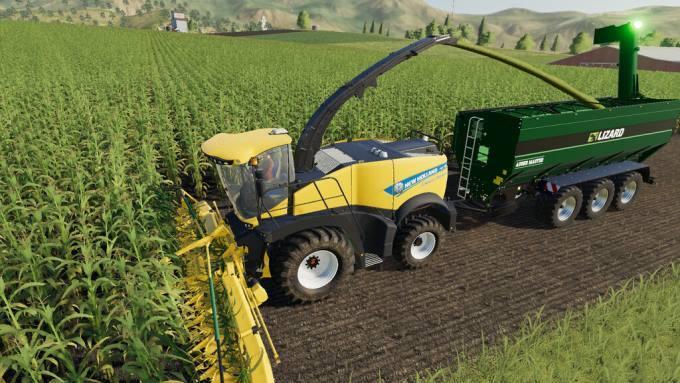
The Biogas Plant is an important destination for silage sales. If you own the facility, you can also benefit from its production processes rather than relying exclusively on direct crop sales.
Before transporting a large quantity, check the current market prices and compare available selling opportunities.
A few practical tips can improve profitability:
Organize trailers close to the bunker to reduce transportation time.
Avoid purchasing more harvesting equipment than your farm can afford.
Process large quantities together to reduce repeated preparation work.
Check the selling price before unloading your silage.
Keep enough money available for fuel, maintenance, and machinery expenses.
Common Silage Production Mistakes to Avoid
New players sometimes focus too much on harvesting speed and overlook the storage process.
Uncompacted chaff cannot complete the normal bunker fermentation process properly. Similarly, forgetting to cover the bunker after reaching full compaction delays the production cycle.
Another common mistake is transporting chaff with insufficient trailer capacity. This creates additional trips and reduces the efficiency of the entire operation.
Planning your field size, trailer capacity, and bunker storage space before harvesting can prevent these problems.
Final Thoughts
Silage production in Farming Simulator 19 combines crop cultivation, specialized harvesting equipment, transportation, and fermentation into one rewarding agricultural activity.
By using a suitable forage harvester, maintaining an efficient trailer rotation, and properly compacting and covering the bunker, players can establish a reliable silage production operation.
For players returning to the game or interested in exploring different farm setups, Z2U.com also offers Farming Simulator 19 Accounts. Exploring available account options can be another way to get started with the game’s farming and multiplayer experiences.
With proper planning and equipment management, silage can become an important source of income and a useful addition to your Farming Simulator 19 business.
Share this content:

Leave a Reply