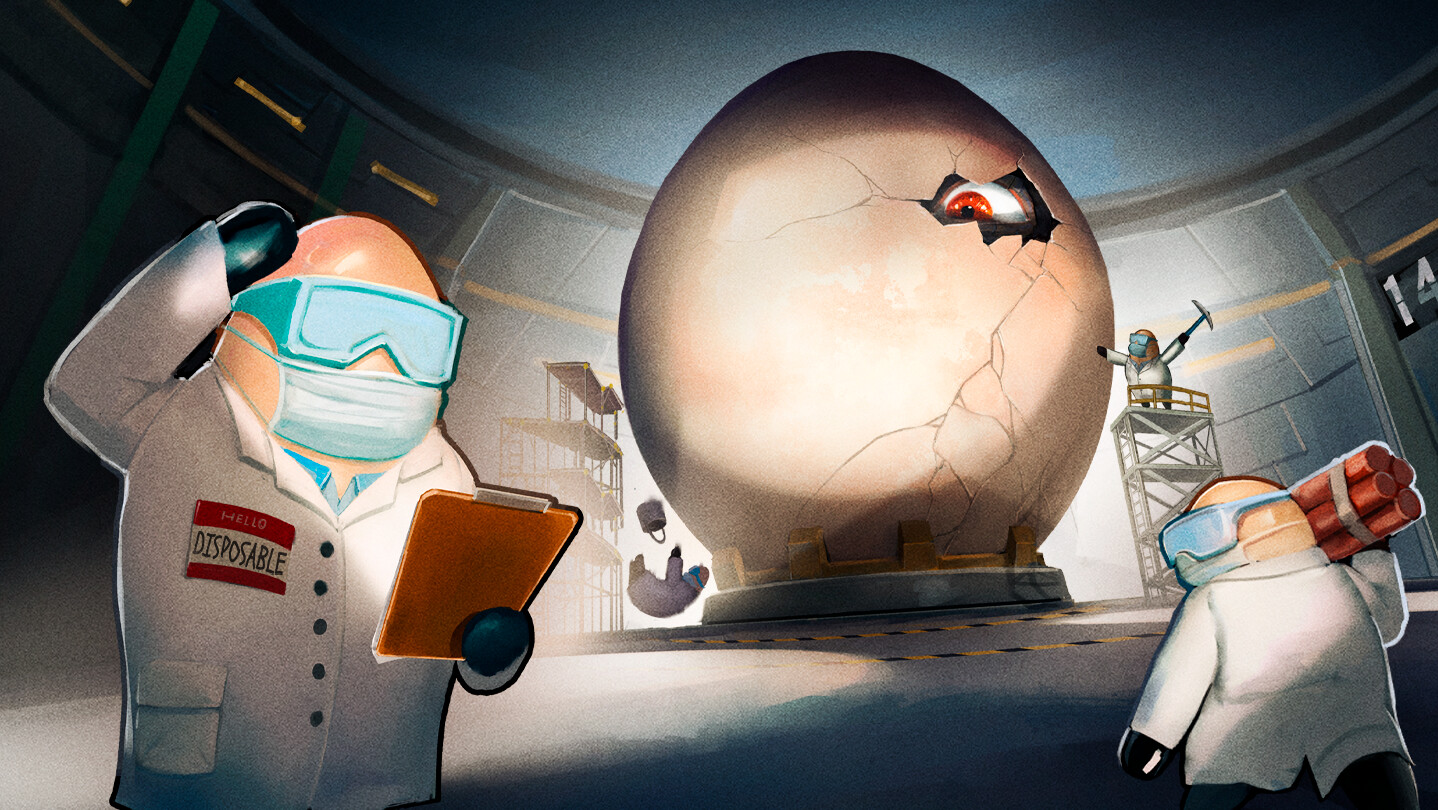
CRACK turns an unusual objective into a surprisingly engaging cooperative experience: breaking open a mysterious giant egg inside a strange laboratory. Although players can complete the adventure alone, the game supports online cooperation for up to four players, creating opportunities for better coordination and more efficient progression.
The biggest advantage of multiplayer gameplay is the ability to divide responsibilities. Instead of having everyone perform the same task, a coordinated team can handle excavation, material processing, equipment management, and laboratory upgrades simultaneously.
Here is how to organize a four-player team and make better use of the game’s cooperative mechanics.
Assign Different Responsibilities to Each Player
The first step toward an efficient multiplayer session is establishing clear responsibilities.
CRACK allows players to work on different parts of the production process. A practical four-player arrangement could look like this:
Player 1 – Excavation: Focuses on breaking the egg using available tools such as pickaxes and chisels.
Player 2 – Material Collection: Collects and processes the materials generated during excavation.
Player 3 – Equipment and Automation: Handles robots, production upgrades, and other automated systems.
Player 4 – Construction and Logistics: Manages scaffolding, transportation, and access to higher sections of the egg.
These roles are not mandatory restrictions. Players can switch responsibilities whenever necessary, especially when the team unlocks new equipment or reaches a different stage of progression.
The important thing is to avoid having all four players compete for the same task while other activities remain unattended.
Introduce Automation as Early as Practical
Manual excavation is essential during the early stages, but relying exclusively on basic tools becomes less efficient as the egg grows larger.
Automation is one of the most important progression elements in CRACK. Robots can take over repetitive work, allowing players to concentrate on activities that require direct interaction.
A coordinated team should assign one player to monitor automation opportunities while the others continue making progress.
Before purchasing new equipment, consider:
Whether it reduces repetitive manual work.
Whether it supports the team’s current progression stage.
Whether the laboratory has unlocked the necessary facilities.
Whether its benefits justify the investment.
The objective is not simply to own more machines. It is to build a workflow where automated equipment and manual labor complement each other.
Use Explosives and Scaffolding Strategically
As excavation progresses, the team will need more than basic tools to reach different parts of the egg.
Explosives provide another way to accelerate destruction, while scaffolding helps players access elevated sections that would otherwise be difficult to reach.
These systems work best when coordinated.
For example, one player can prepare the work area while another handles demolition. A third player can collect materials, while the fourth checks whether additional construction or equipment is required.
This approach minimizes unnecessary movement and keeps everyone involved in the production process.
Make Transportation Part of Your Strategy
Moving materials and equipment around the laboratory can become an important part of multiplayer efficiency.
Golf carts provide an additional transportation option as the team progresses. Rather than having every player travel independently, coordinate material movement and equipment preparation.
Assigning one player to handle logistics can be particularly useful when the other three are busy with excavation and production.
Communicate Before Starting Each Shift
Even a well-equipped team can lose efficiency without communication.
Before beginning a shift, agree on which player handles each responsibility. Check available Work Orders, identify the next progression objective, and make sure everyone understands what needs to be completed.
During gameplay, communicate whenever:
A new piece of equipment becomes available.
An automation system needs attention.
Additional scaffolding is required.
The team needs to reorganize its responsibilities.
Players interested in exploring different account options can also check z2u.com for CRACK Accounts.
Final Thoughts
CRACK offers more than a simple cooperative destruction experience. Its combination of resource collection, equipment upgrades, automation, and exploration creates several opportunities for effective teamwork.
A successful four-player team should distribute responsibilities, automate repetitive activities, coordinate demolition, and keep transportation organized.
With a clear division of labor, players can make each shift more productive while enjoying the game’s unusual cooperative adventure together.
Share this content:

Leave a Reply